Insult Politics in the Age of Social Media Job Market Paper
Short Abstract: Offensive rhetoric by politicians boosts engagement and electoral support, revealing incentives for incivility that deepen partisan polarization.
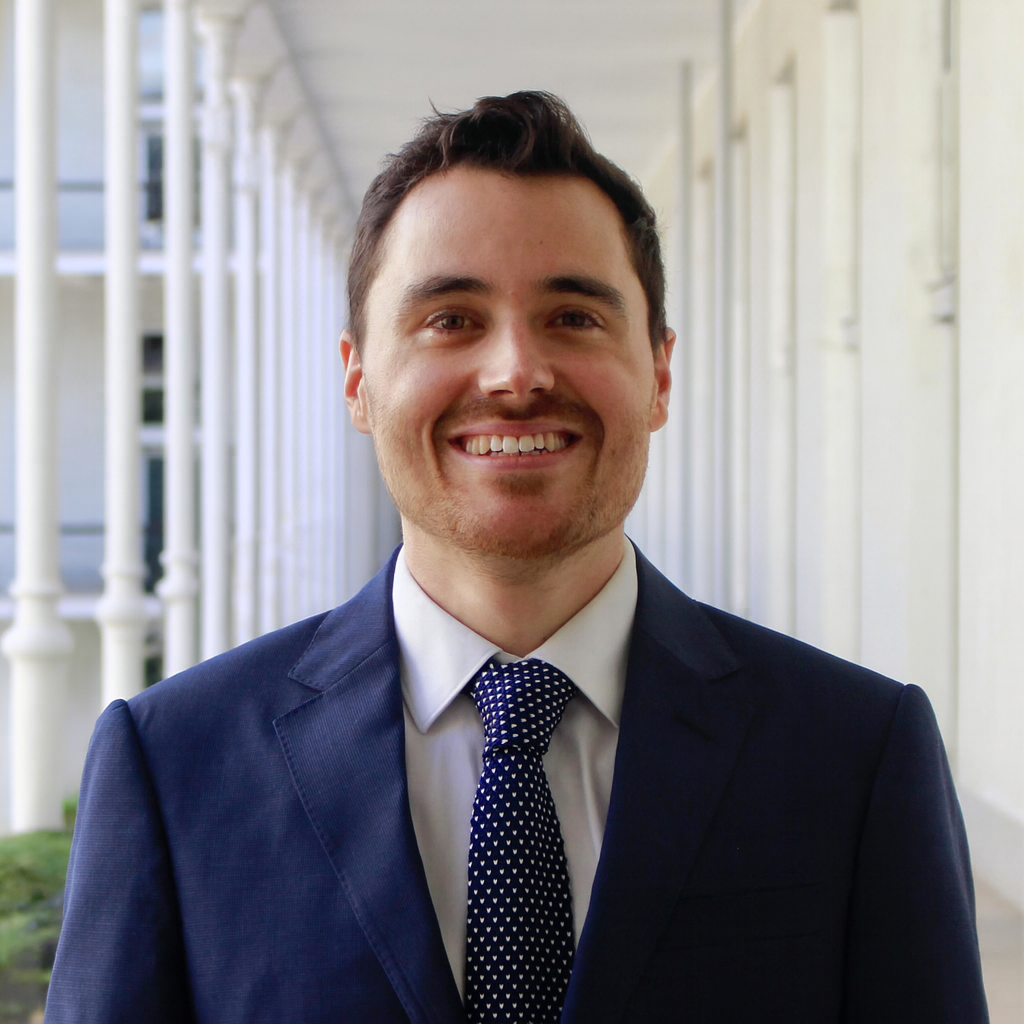
I am a postdoctoral fellow at the University of New South Wales Business School.
In 2027, I will join CREST ENSAI as an Assistant Professor of Economics.
I received my Ph.D. from Universitat Pompeu Fabra. My research centers on political economy, with particular interest in how the media shapes public beliefs and behaviors.
Contact: e.motte@unsw.edu.au
Short Abstract: Offensive rhetoric by politicians boosts engagement and electoral support, revealing incentives for incivility that deepen partisan polarization.
Revise & Resubmit — Journal of the European Economic Association
Short Abstract: Shared shocks do not generate shared beliefs. Natural disasters widen climate change polarization by activating partisan narratives.
American Economic Association Papers & Proceedings, 2024.
Short Abstract: Exposure to partisan cable news systematically shifts citizens’ policy preferences in the direction of each channel’s slant.
Short Abstract: Exploiting quasi-random jury assignment in French criminal courts, we study how laypeople's social identities affect high-stakes judicial decisions.
Short Abstract: Analyzing 10 million news articles with LLMs, we map the anatomy of global conflict coverage, examining how international ties drive bias and shape downstream economic outcomes.
Economics of Disasters and Climate Change, 2020.
Short Abstract: Differences in households’ income levels are key determinants of flood vulnerability and resilience, calling for disaster policies that account for relative rather than absolute losses.